

Corvina. If you know, you know.
I say this because either a customer points at the case and says “what is (reads sign) cor…vina?” or walks up and immediately asks me “do you have any corvina today?” Half of the time, I have it. Other times, I don’t due to both the post-2020 supply chain issues and selling out within the hour when I do have it in stock. But, what is corvina? What’s so gosh-darn good about it?
Corvina is a salt-water fish from South America. It can be found in the shores, bays, and brackish waters on both the Pacific and Atlantic side of the continent. Would I say it’s tropical? Yes and no. The fish can be found from Panama (warm water) down the coast to Northern Argentina and Chile (colder water), depending on the species. Subtropical would be the best descriptor.
You know how I said “depending on the species” in the above paragraph? This is because there is no actual fish called “corvina”.
Um… what? Isn’t this a post about the corvina?
Don’t worry, it still is. “Corvina” is a common term to describe a group of over 270 fish species of the Sciaenidae family, also familiarly known as drums and croakers. You may have heard of fish called Red Drum or Redfish. Corvina is actually a close relative! Note: corvina are drums and croakers, but not all drums and croakers are corvina.
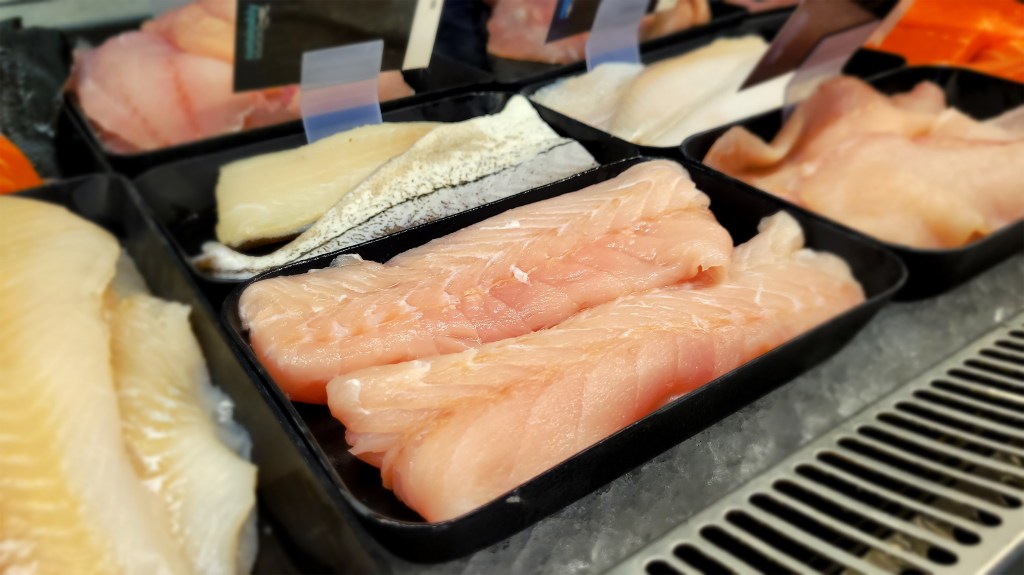
Using “corvina” as a collective term to use at supermarkets and on food menus isn’t as uncommon as one would think. A more famous fish, flounder, uses the same method. There isn’t just one species swimming in the ocean called “flounder”. There are actually hundreds of species of flounder found throughout the world!
According to Food & Drug Administration rules, multiple flounder species can be labeled as “flounder” for sale. The kicker? Some of these fish don’t even have “flounder” in their scientific or common names. Sole, fluke, and dabs can be legally labeled as “flounder” for consumption. You may not have noticed you’ve eaten sole at the restaurant when you order the “flounder” since these species are so closely related.
Same with corvina. Multiple fish species can sold as “corvina” and be perfectly legal. Now, you can’t fillet a grouper and try to pass it off as corvina. That’s not legal. It (not the fish itself, but the fisherman) would need permission from the FDA to call it “corvina” in order to sell it as “corvina”, which would never happen with grouper for multiple reasons I’ll get into in another post. Yes, there are certain species of corvina that are more flavorful than others due to their overall quality. This is common in other fish groups, too. In order to be confident in what you pay for, find seafood markets/fishmongers/restaurants you can trust. The quality will always be superior and the salesperson will always be honest with you.
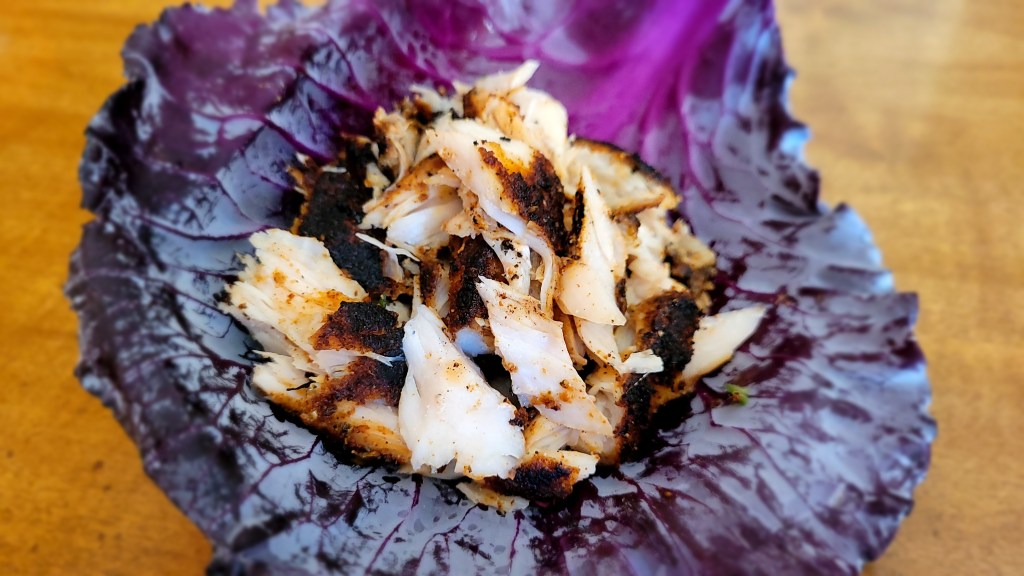
Regardless of the actual species name of the fish on your plate, all corvina have the same culinary profile. The flesh varies from a light red to pink to white with a large lean flake and a semi-firm texture similar to snapper. The flavor is mild and sweet, which makes it a great substitution for the more pricy grouper. Basically, anything you can do with grouper you can do with corvina. Making tacos? Corvina works perfectly. Found a yummy blackened grouper sandwich recipe but grouper is too expensive? No problem, use corvina.
The super cool thing about corvina is how versatile it is. You can bake, broil, fry, grill, poach, sauté, and steam it. The only method not recommended is smoking, due to the lack of fat to absorb the flavor.
Corvina is the traditional fish of choice for the well-known national dish of Peru, ceviche. The fish is chopped raw, cured in citrus juice (traditionally orange, but lemon or lime works as well), and garnished with chili peppers, onions, and seasonings such as salt and coriander. This dish’s popularity has spread across South and Central America and each country has their own variation. It’s usually used as an appetizer, but it can be a main dish as well. While tasty, this is not a dish I recommend trying at home unless you have previous experience or have culinary training. The fish must be prepared fresh and served immediately to avoid any food borne illness.
Another popular preparation for this fish in South America is to fry it whole. If you can’t obtain a whole fish, which may have to be found in a specialized seafood markets, then frying a fillet would be just as great. Due to corvina’s versatility, it can be served in practically any way! Make tacos, poach in a nice white wine, or simply grill with light seasonings… the world is yours with this fish!
#FunFact: “Corvina” is also a word used to describe an Italian wine-making grape variety. It produces a red, medium-bodied wine with high acidity. Oddly enough, neither the wine or the fish have any correlation with each other. Would this wine be good to drink while dining on corvina, the fish? Maybe. It would depend on the fish preparation. Without any colorful seasonings or ingredients, the mild flavor of the fish would risk being completely overshadowed by the wine, making the fish undesirable to eat. But, maybe with the right flavor enhancements, the two can be enjoyed together.

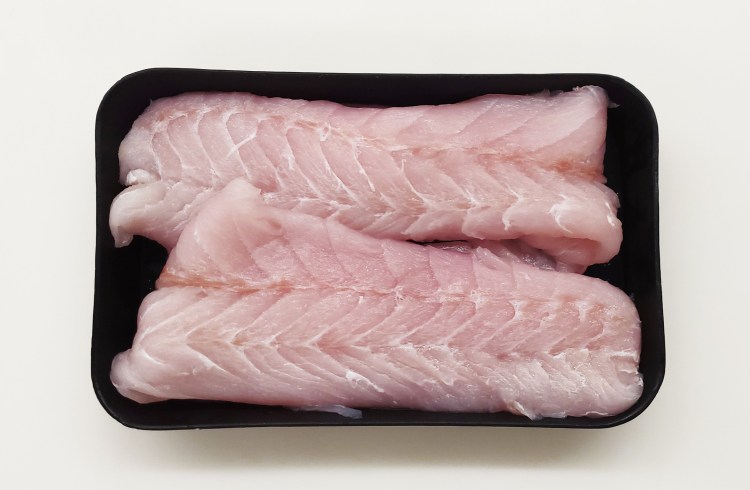
Corvina in a Clam Shell

Wild Commercial Fishing Sources:
- Nicaragua
- Panama
- Suriname
- Venezuela
- Other South American countries

Sources and further reading:
- KQED.org, for a simple explanation of legality (in USA) for fish name uses in markets, https://www.kqed.org/bayareabites/98729/do-fish-names-encourage-fishy-business
 Pisces Culture